
Leak Detection Under Concrete in Carson, CA
Find Water Leaks Hidden Beneath Concrete
A water leak under a concrete slab can be difficult to locate because the damaged pipe is hidden below the surface. Water may travel through concrete or surrounding soil before becoming visible, so the wet area is not always directly above the leak.
Prime Leak Detection provides leak detection under concrete in Carson, CA to help locate hidden water and plumbing leaks before unnecessary concrete removal begins. Our team assesses the signs, checks the plumbing system, and uses appropriate leak detection methods to narrow down the suspected source.
If you are trying to determine how to detect a water leak under concrete, professional testing can help identify where the water is escaping and what area may require further inspection.
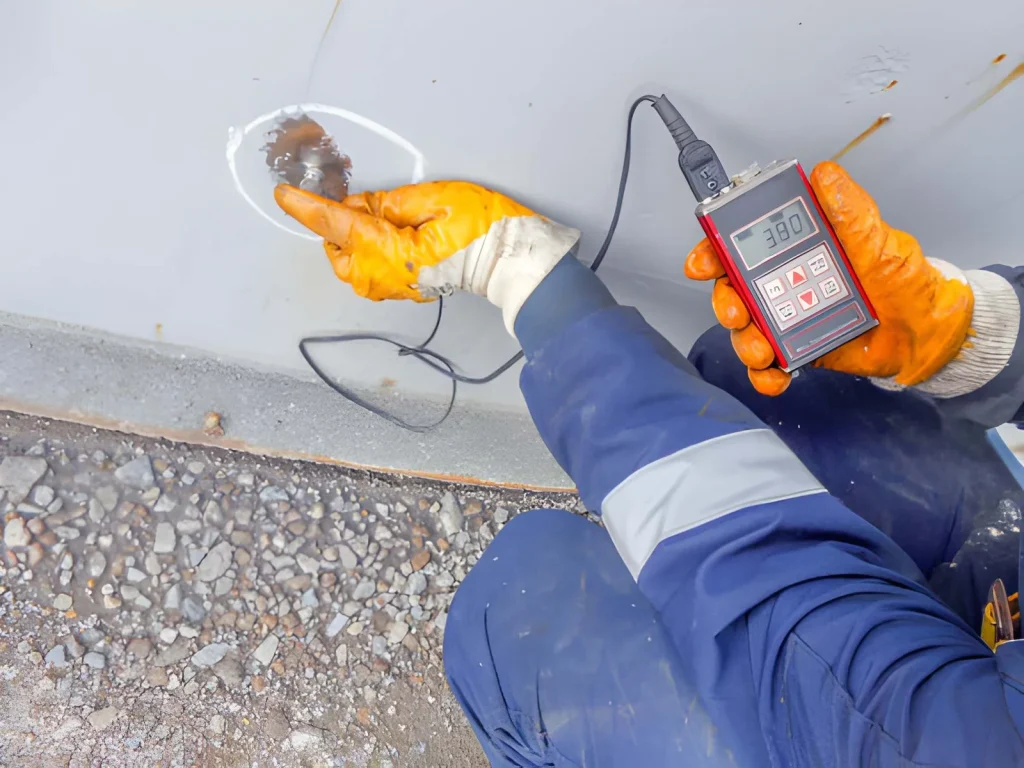
Why Water Leaks Under Concrete Are Difficult to Detect
Finding a water leak beneath concrete is not always as simple as looking for a wet spot. The damaged pipe may be hidden below a slab, while escaping water can move through surrounding soil or concrete before reaching the surface.
The Leak May Be Hidden Below the Surface
A pipe can develop a leak underneath a concrete floor or slab without creating an obvious visible sign. The affected area may remain dry on the surface while water continues escaping below.
Water Can Travel Away From the Leak
The place where moisture appears is not necessarily the location of the damaged pipe. Water can move along pathways beneath or around the concrete, making it harder to identify the original source.
The Plumbing Line May Be Difficult to Access
Water pipes located beneath concrete cannot be visually inspected without opening the surface. Removing concrete before locating the suspected leak can create unnecessary disruption.
Signs May Be Easy to Overlook
Small changes in water pressure, unexplained water usage, sounds of running water, damp areas, or unusual moisture can be early indications of a hidden plumbing problem.
Professional Detection Helps Narrow Down the Location
If you are trying to determine how to detect a water leak under concrete, the first step is to assess the available signs and inspect the plumbing system. Appropriate leak detection equipment and testing methods can then be used to help narrow down the suspected location.
This can help determine where a water pipe leak may be under concrete before repair work begins.
How to Detect a Water Leak Under Concrete Slab
If you are wondering how to detect water leak under concrete slab, the process usually starts by looking at the signs of water loss and then testing the plumbing system to narrow down the suspected leak location.
1. Check for Unexplained Water Usage
An unexpected increase in water consumption can be an early warning sign. If water is being used when all fixtures are turned off, there may be a hidden plumbing leak.
2. Check the Water Meter
Turn off faucets, toilets, appliances, and other water sources and observe the meter. Continued movement may indicate that water is flowing somewhere in the plumbing system.
3. Look for Surface Signs
Damp concrete, unusual moisture, staining, damaged flooring, or water appearing in an unexpected area can indicate a possible leak beneath the surface.
4. Listen for Water Movement
A sound of running or moving water when the plumbing fixtures are not being used may point to a hidden water leak.
5. Check for Pressure Changes
An unexplained reduction in water pressure can sometimes indicate a problem with a water supply line or another section of the plumbing system.
6. Use Professional Leak Detection Equipment
When visual inspection cannot identify the source, specialized detection equipment can help narrow down the suspected location. The appropriate testing method depends on the pipe material, plumbing layout, accessibility, and suspected leak type.
Detect Water Leak Under Concrete Without Unnecessary Removal
The goal of professional detection is to locate the suspected problem before opening large sections of concrete. This can help reduce unnecessary disruption and provide a clearer starting point for any repair that may be required.
If you need to detect a water leak under concrete slab in Carson, Prime Leak Detection can assess the signs and determine an appropriate detection approach for the property.
Water Leak Detection Methods Under Concrete
When a leak is suspected beneath a concrete slab or floor, different detection methods may be considered based on the plumbing system and property conditions. The goal is to narrow down the suspected source before concrete is opened for repair.
Electronic Leak Detection
Electronic leak detection equipment can help identify sounds or signals associated with escaping water. It can be useful when a pipe is concealed beneath concrete and the leak cannot be seen directly.
Acoustic Leak Detection
Acoustic methods use specialized listening equipment to help identify the sound produced by escaping water. This can help narrow down the area where a hidden pipe leak may be located.
Thermal Imaging
Thermal imaging may help identify unusual temperature patterns associated with certain water leaks, particularly when temperature differences can be detected through the surrounding material.
Plumbing Inspection
Accessible plumbing components and lines can be inspected for visible signs of damage or leakage. This information can help determine which detection approach is appropriate for the suspected area.
No Single Detection Method Fits Every Leak
The best approach depends on factors such as pipe material, plumbing layout, depth, accessibility, water pressure, and the type of suspected leak. A combination of inspection and testing methods may be used to narrow down the location.
If you need to detect a water leak under concrete floor or determine how to detect a water pipe leak under concrete, Prime Leak Detection can assess the situation and recommend an appropriate detection approach
Need Leak Detection Under Concrete in Carson, CA?
Suspect a water leak beneath your concrete slab, floor, driveway, or other hard-to-access area? Prime Leak Detection provides professional leak detection services for homes and businesses throughout Carson, CA.
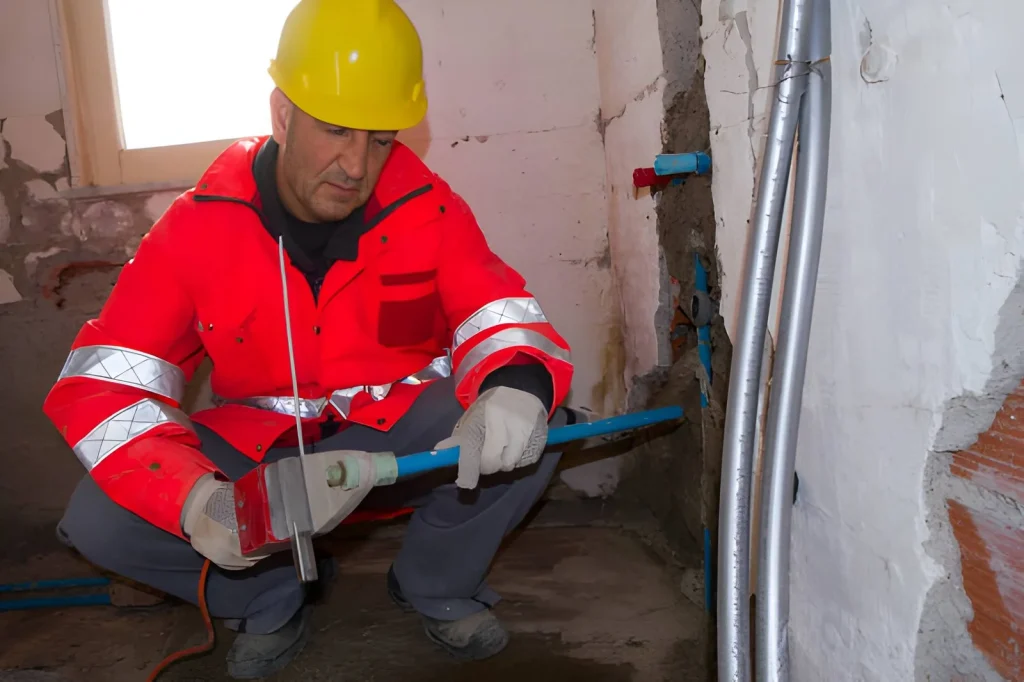
When You May Need Leak Detection Under Concrete
Not every plumbing leak is visible. A water pipe beneath a concrete slab can continue leaking even when there is little or no water appearing on the surface. Certain warning signs can indicate that further leak detection may be needed.
Unexplained Water Usage
If your water bill or water consumption increases without a change in normal usage, a hidden plumbing leak may be one possible cause.
Water Appearing Around Concrete
Damp spots, pooling water, unusual moisture, or changes in the surrounding flooring can indicate that water may be escaping beneath the surface.
Sounds of Running Water
Hearing water running when faucets, toilets, appliances, and other fixtures are not being used can be a sign of water moving through a hidden plumbing line.
Unexplained Pressure Loss
A noticeable change in water pressure may indicate a problem somewhere within the water supply system, including a concealed pipe.
Moisture or Damage to Flooring
Persistent dampness, staining, damaged flooring, or unusual changes around a concrete floor may require further inspection to determine whether water is coming from below.
A Suspected Pipe Leak Beneath Concrete
If you already suspect that a water pipe is leaking beneath a slab, professional detection can help narrow down the location before concrete is opened.
If you are searching for how to detect a leak under a concrete floor, start by identifying these warning signs and having the plumbing system properly assessed.
Leak Detection Under Concrete Services in Carson
Prime Leak Detection helps locate suspected water and plumbing leaks beneath concrete surfaces where the source cannot be identified through a basic visual inspection.

Water Leak Under Concrete Slab
If water is escaping beneath a concrete slab, our detection process can help narrow down the suspected location and determine where further inspection may be needed.

Water Leak Under Concrete Floor
A leak beneath a concrete floor can allow water to move away from the damaged pipe. We assess the available signs and use appropriate detection methods to help locate the suspected source.

Water Pipe Leak Under Concrete
When a water supply pipe or plumbing line is suspected beneath concrete, targeted testing can help narrow down the affected section before opening the surface.

Concrete Slab Leak Detection
Concrete slab leak detection focuses on identifying signs of hidden water loss and determining where a suspected leak may be located beneath the slab.

Underground Water Leak Detection
Water lines running below concrete, soil, landscaping, or other hard-to-access areas may require specialized detection methods to narrow down the location of a suspected leak.

Hidden Plumbing Leak Detection
Not every leak creates an obvious wet spot. Hidden water leaks may require additional inspection and testing to determine where the water is escaping.
Detection Before Concrete Removal
The purpose of leak detection is to gather enough information to identify the suspected problem area before repair work begins. This can help avoid opening unnecessary sections of concrete.
Why Choose Prime Leak Detection for Leak Detection Under Concrete?
Locating a water leak beneath concrete requires more than simply looking for visible moisture. Prime Leak Detection focuses on identifying the suspected source and choosing an appropriate detection approach for the plumbing system and property conditions.
Focused Leak Detection
We focus on locating suspected water and plumbing leaks rather than immediately starting repair or concrete removal.
Appropriate Detection Methods
Different leaks require different approaches. We assess the situation and select detection methods based on the suspected leak, plumbing system, and accessibility.
Minimize Unnecessary Concrete Removal
Finding the suspected leak location first can help reduce unnecessary opening of concrete and limit disruption to the property.
Clear Findings
After testing, we explain what was identified, where the suspected problem is located, and whether additional inspection may be needed.
Residential and Commercial Service
We provide leak detection for both residential and commercial properties in Carson where plumbing leaks may be concealed beneath concrete.
Carson-Focused Service
Prime Leak Detection serves property owners throughout Carson, CA, with a local service location at 21728 Main St, Carson, CA 90745.
Straightforward Process
From the initial assessment through detection and findings, we keep the process focused on identifying the suspected leak and explaining the next appropriate step.
Our Process
When you have a suspected water leak beneath concrete, the first goal is to narrow down where the water is escaping. Prime Leak Detection follows a focused process to assess the signs, test the plumbing system, and identify the suspected leak area.
Assess the Warning Signs
We begin by reviewing signs such as unexplained water usage, damp areas, pressure changes, sounds of running water, or other indications of a possible hidden leak.
Inspect the Plumbing System
Accessible plumbing components and relevant areas are checked to understand the system and identify possible sources of water loss.
Determine the Appropriate Detection Method
The detection approach depends on the plumbing layout, pipe material, suspected leak location, accessibility, and property conditions.
Perform Leak Detection Testing
Appropriate equipment and testing methods are used to help identify signals or conditions associated with a possible water leak beneath the concrete.
Narrow Down the Suspected Location
The available test results are assessed together to narrow down the area where the water pipe or plumbing line may be leaking.
Confirm the Findings
Additional testing or inspection may be performed when needed to improve confidence in the suspected leak location.
Explain the Next Step
Once the detection process is complete, we explain the findings and discuss what may be required next, including whether further inspection or repair is appropriate.
The goal is to locate the suspected leak before unnecessary concrete removal begins.
What Happens After a Leak Is Located?
Finding the suspected leak location is an important first step, but it does not necessarily mean the concrete needs to be opened immediately. The next step depends on the detection findings, plumbing system, and condition of the affected area.
Review the Detection Findings
We explain the results of the detection process and identify the area where the suspected water leak or pipe problem was located.
Determine the Affected Area
The findings can help establish which section of the plumbing system may be affected and whether additional inspection is appropriate.
Decide Whether Further Testing Is Needed
In some situations, additional testing may be useful to confirm the suspected location or gather more information before repair work begins.
Plan the Appropriate Repair
Once the suspected leak location has been identified, the property owner can determine what type of plumbing repair may be required.
Avoid Unnecessary Concrete Removal
Accurately narrowing down the suspected leak area can help reduce the need to open large sections of concrete unnecessarily.
Understand Your Next Steps
Prime Leak Detection explains the findings clearly so you understand what was identified and what may need to happen next.
Leak detection identifies the suspected problem area; repair is a separate step and may require a qualified plumbing professiona
Why Early Leak Detection Under Concrete Matters
A hidden water leak beneath concrete can continue causing water loss even when the problem is not immediately visible. Finding the suspected leak early can help you understand the problem and determine the appropriate next step.
Reduce Water Waste
A leaking plumbing line can waste water continuously. Identifying the suspected source can help address unexplained water loss.
Limit Moisture Exposure
Water escaping beneath concrete may affect surrounding soil, flooring, or building materials. Early detection can help limit how long the area remains exposed to unwanted moisture.
Protect Surrounding Areas
A concealed leak can affect areas beyond the damaged pipe. Locating the suspected source can help reduce the risk of the problem continuing unnoticed.
Reduce Unnecessary Disruption
Knowing the suspected leak location before repair work begins can help avoid opening larger areas of concrete than necessary.
Make Repair Planning Easier
Detection provides information about where the suspected problem is located, helping determine what further inspection or repair may be appropriate.
Address Unexplained Water Loss
If your water usage has increased without an obvious explanation, checking for a hidden leak can help determine whether a plumbing problem is contributing to the water loss.
Early detection does not guarantee that damage will be prevented, but it can provide useful information before the problem
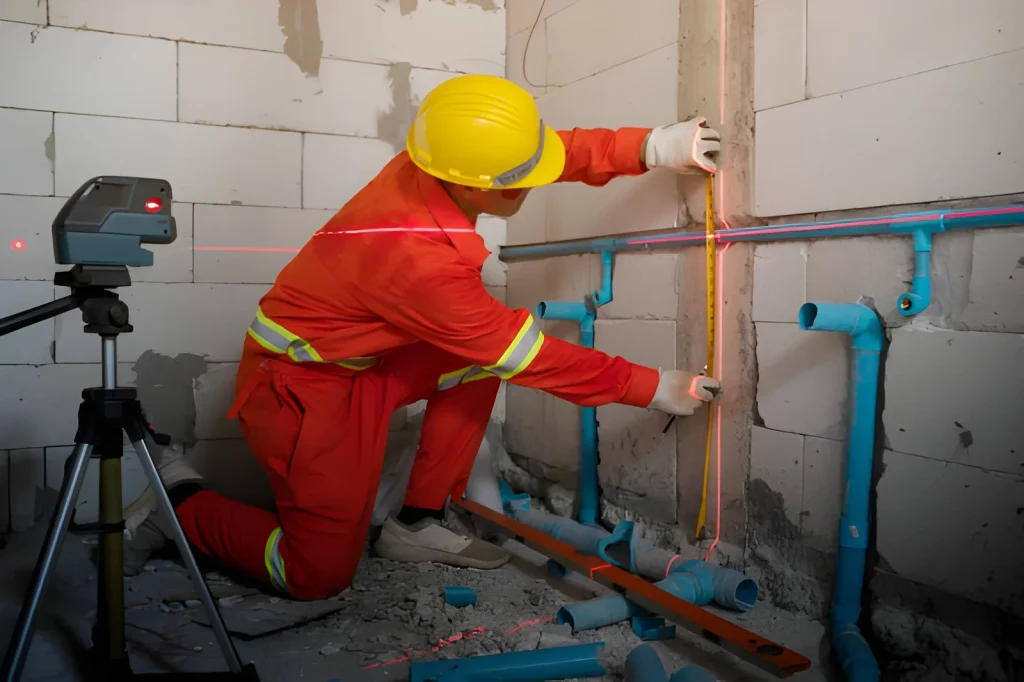
Leak Detection Under Concrete vs. Leak Repair
Leak detection and leak repair are two different steps. Detection focuses on finding the suspected location of the water leak, while repair addresses the damaged pipe or plumbing component.
Leak Detection Under Concrete
The purpose of leak detection is to determine where a suspected water leak may be located beneath a concrete slab or floor. Testing and specialized detection methods can help narrow down the affected area before the surface is opened.
Leak Repair
Repair involves addressing the damaged pipe, fitting, connection, or other plumbing component responsible for the leak. Depending on the situation, this may require access through the concrete or another part of the property.
Why Detection Comes First
Opening concrete before locating the suspected leak can result in unnecessary disruption. Detecting the suspected location first provides useful information for planning the next step.
Detection Does Not Guarantee an Exact Repair Point
Detection results can vary depending on pipe material, leak size, depth, water pressure, accessibility, and surrounding conditions. In some cases, additional inspection may be necessary before repair.
If you suspect a water leak under concrete slab, professional detection can
Frequently Asked Questions
Water Leak Detection in Carson — For general residential and commercial water leak problems.
Slab Leak Detection in Carson — For suspected leaks beneath concrete slabs and foundations.
Commercial Leak Detection in Carson — For hidden plumbing leaks affecting commercial properties.
Home Page — Learn more about Prime Leak Detection and our leak detection services throughout Carson, CA.
If you are unsure which service applies to your situation, contact Prime Leak Detection at (424) 416-1833 and explain the signs you are experiencing.